
Green Spaces
Personal Benefits of Green Spaces
Accessible green spaces can support physical activity, relaxation, social interaction and mental and physical well-being.
By Rosemond Akosua Nyamedor ·
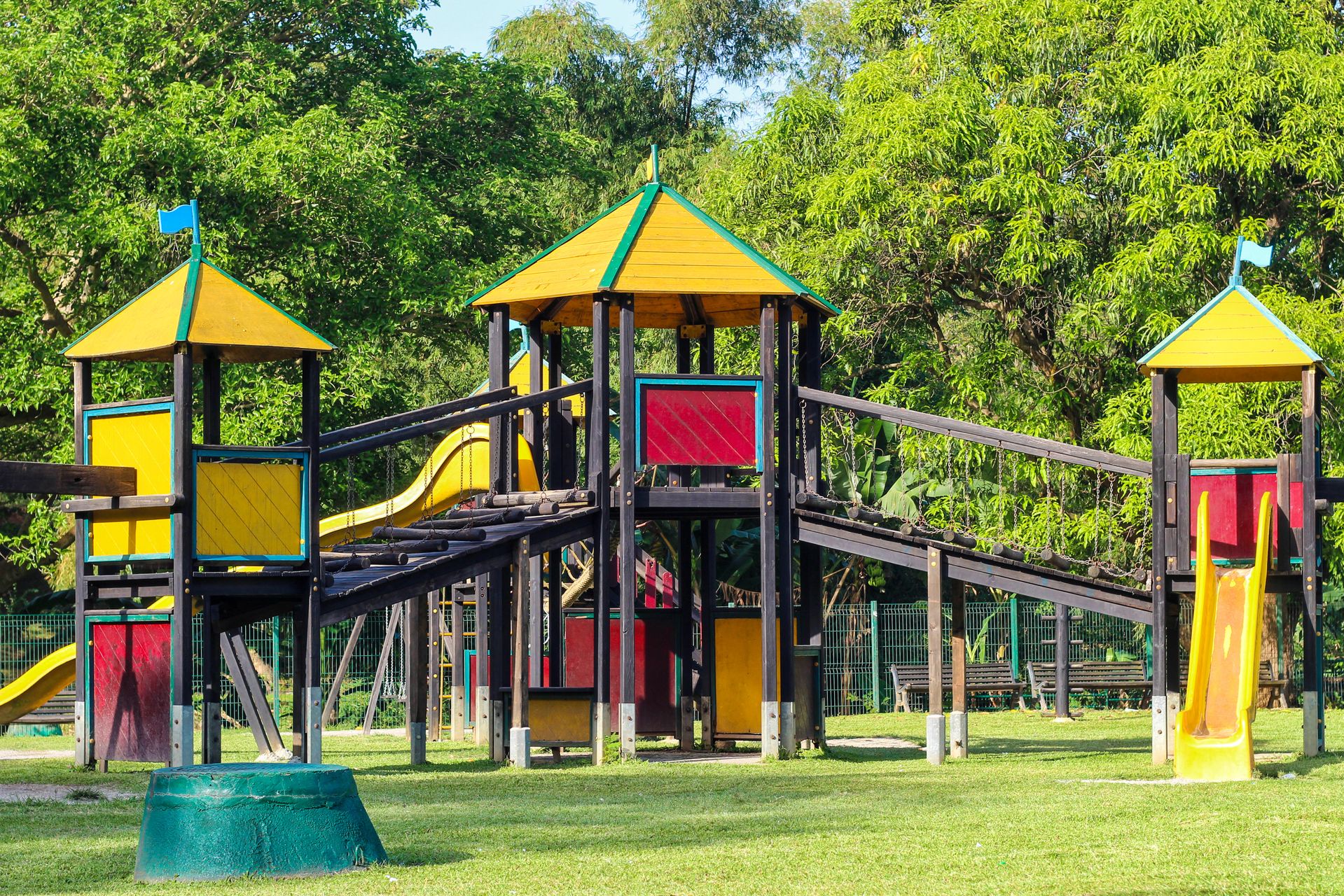
Green spaces provide environmental benefits, but they also support the health and well-being of individuals and communities. Parks, gardens, forests, school grounds and other vegetated areas can provide places for physical activity, rest, recreation and social interaction.
This article examines the personal benefits associated with access to and use of green spaces.
Physical activity
Green spaces can encourage walking, outdoor exercise, play, gardening and recreation. Accessible parks and other green areas may be particularly important for people who have limited access to private recreational facilities or paid exercise services [1], [2], [4].
Children and young people can use green spaces for play and active learning, while adults and older people may benefit from walking, gardening and other forms of movement [1], [8].
Gardening can involve activities that support strength, endurance and flexibility. It can also provide opportunities to spend time outdoors and connect with other people [4], [9].
Mental health and restoration
Contact with natural areas can provide opportunities for relaxation, psychological restoration and relief from everyday pressures [7], [10], [13].
Green areas may offer spaces where people can reflect, experience nature and temporarily move away from noise and other pressures associated with urban life.
Research has associated the availability and use of green spaces with mental and physical health benefits. The benefits experienced by visitors depend partly on the quality, accessibility, safety and suitability of the green area [6], [8], [14].
Social connection
Parks, gardens and other public green spaces can support social interaction, shared activities and community participation [6], [10], [14].
Well-managed green spaces may provide meeting places for families, neighbours, community groups and recreational activities. These interactions can help reduce social isolation and contribute to a sense of belonging.
Fair access to green space
The benefits of green spaces are not shared equally when safe and well-managed green areas are unavailable or difficult to reach.
Planning for green spaces should therefore consider accessibility, safety, community needs and the inclusion of children, older people and persons with different physical abilities [6], [11], [12], [14].
Caring for green spaces
Protecting green spaces supports both environmental quality and human well-being. Communities, schools, institutions and public authorities can help by maintaining existing green areas, protecting mature trees and including accessible vegetation and open space in future development.
When communities care for green spaces, they also protect places that support physical activity, social connection, contact with nature and personal well-being.
- Green Spaces
- Public Health
- Physical Activity
- Well-being
- Urban Environment
- Environmental Education
References
- J. E. Dyment and A. C. Bell, "Grounds for movement: Green school grounds as sites for promoting physical activity," Health Education Research, vol. 23, no. 6, pp. 952–962, 2008. https://doi.org/10.1093/her/cym059
- S. Bell, V. Hamilton, A. Montarzino, H. Rothnie, P. Travlou and S. Alves, "Greenspace and quality of life: A critical review," 2008. https://www.researchgate.net/publication/286782973
- E. Gies, "The Health Benefits of Parks: How Parks Help Keep Americans and Their Communities Fit and Healthy," 2006. https://www.tpl.org
- F. Enssle and N. Kabisch, "Urban green spaces for the social interaction, health and well-being of older people: An integrated view of urban ecosystem services and socio-environmental justice," Environmental Science & Policy, vol. 109, pp. 36–44, 2020. https://doi.org/10.1016/j.envsci.2020.04.008
- European Environment Agency, "Healthy Environment, Healthy Lives: How the Environment Influences Health and Well-being in Europe," 2019. https://doi.org/10.2800/53670
- S. Andrusaityte, R. Grazuleviciene, A. Dedele and B. Balseviciene, "The effect of residential greenness and city park visiting habits on preschool children's mental and general health in Lithuania: A cross-sectional study," International Journal of Hygiene and Environmental Health, vol. 223, no. 1, pp. 142–150, 2020. https://doi.org/10.1016/j.ijheh.2019.09.009
- D. Kovi, "The Health Benefits of Parks," City of Mesquite, 2016. https://www.cityofmesquite.com/DocumentCenter/View/780/Health-Benefits-of-Parks
- W. Masterton, H. Carver and T. Parkes, "Parks and green spaces are important for our mental health, but we need to make sure that everyone can benefit," The Conversation, 7 August 2020. https://theconversation.com/parks-and-green-spaces-are-important-for-our-mental-health-but-we-need-to-make-sure-that-everyone-can-benefit-142322
- D. Okpala, "Regional Overview of the Status of Urban Planning and Planning Practice in Anglophone Sub-Saharan African Countries," prepared for Revisiting Urban Planning: Global Report on Human Settlements 2009, 2009. http://www.unhabitat.org/grhs/2009
- D. A. Puplampu and Y. A. Boafo, "Exploring the impacts of urban expansion on green spaces availability and delivery of ecosystem services in the Accra metropolis," Environmental Challenges, vol. 5, article 100283, 2021. https://doi.org/10.1016/j.envc.2021.100283
- S. Barton and R. Pineo, "Human Benefits of Green Spaces," University of Delaware Cooperative Extension, 2009. https://www.udel.edu/academics/colleges/canr/cooperative-extension/fact-sheets/human-benefits-of-green-spaces/
- A. C. K. Lee, H. C. Jordan and J. Horsley, "Value of urban green spaces in promoting healthy living and wellbeing: Prospects for planning," Risk Management and Healthcare Policy, vol. 8, pp. 131–137, 2015. https://doi.org/10.2147/RMHP.S61654